7 Signs Your Boat Engine Needs Repair vs. Replacement
September 12, 2025 |
By Ali
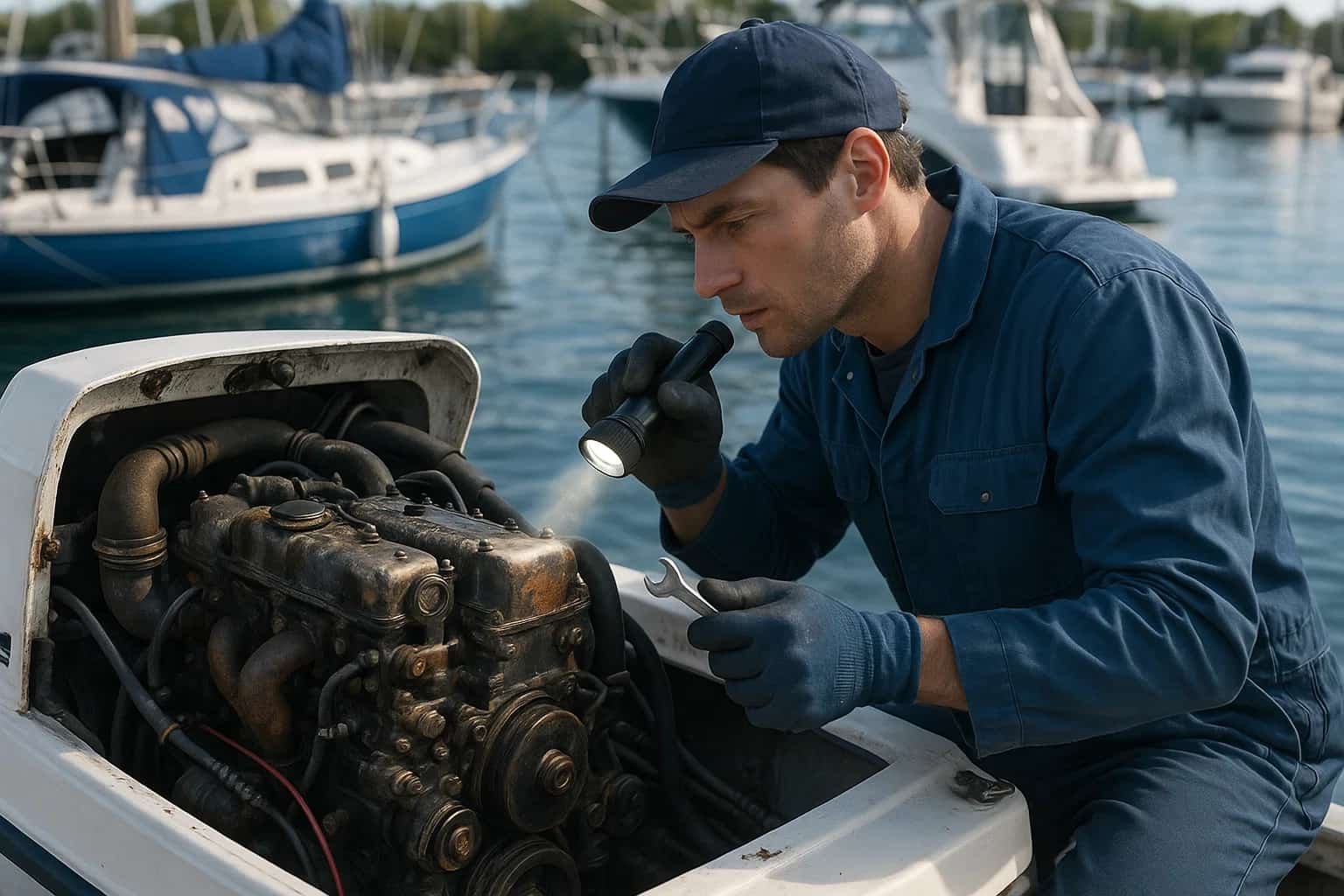
Every boat owner knows the feeling of being out on the water, with the engine humming smoothly and the waves gently lapping against the hull. But what happens when that smooth hum turns into a concerning clank or a sudden stall? An engine problem can quickly turn a perfect day into a stressful and potentially dangerous situation. Understanding the warning signs is crucial for any boater.
Knowing when your boat engine needs a simple repair versus a complete replacement can save you time, money, and significant frustration. Some issues are minor fixes, while others are red flags indicating a more serious, underlying problem that could lead to a total engine failure. This guide will walk you through the key signs to watch for, helping you make an informed decision about your engine’s health and longevity.
What are the most common signs my boat engine needs repair?
Your boat’s engine will often give you clues that something is wrong before it fails completely. Paying attention to these early warnings is the best way to prevent a minor issue from becoming a major expense.
Unusual noises or vibrations
You know your boat better than anyone. If you start hearing new sounds like grinding, knocking, or clunking, it’s a clear signal that something isn’t right. These noises often indicate that internal components are worn or damaged. Similarly, excessive vibration can point to problems with the propeller, engine alignment, or loose parts. Don’t just turn up the music; investigate the source of these sounds immediately.
Difficulty starting or frequent stalling
An engine that’s hard to start or that stalls frequently is more than just an annoyance—it’s a sign of a potential problem. This could be due to issues with the fuel system, ignition, or electrical components. While it might be a simple fix like a clogged fuel filter or old spark plugs, it could also be a symptom of a more complex problem that requires a professional diagnosis.
Loss of power during operation
If you notice your boat isn’t accelerating as it used to or struggles to reach its top speed, you’re experiencing a loss of power. This is a common symptom of engine trouble. It could be caused by anything from a fouled propeller to serious internal engine wear. A gradual loss of power is easy to miss, so it’s important to be mindful of your boat’s typical performance.
Higher fuel consumption than usual
A sudden spike in your fuel usage is a strong indicator that your engine is working harder than it should. An inefficient engine burns more fuel to produce the same amount of power. This could be due to a variety of factors, including old spark plugs, a dirty fuel system, or internal wear. Tracking your fuel consumption can be an effective way to monitor your engine’s health over time.
Are there visual signs that my engine needs immediate attention?
Sometimes, a quick visual inspection can reveal serious issues that demand immediate action. Regularly checking your engine compartment can help you catch problems before they escalate.
Oil or fuel leaks around the engine
Any sign of an oil or fuel leak is a major red flag. Leaks can point to cracked hoses, failed gaskets, or other damaged components. Not only do they indicate a problem with the engine, but they also create a significant fire hazard. If you spot a leak, it’s crucial to address it right away.
Corroded or rusted components
The marine environment is harsh, and corrosion is a constant battle. While some surface rust might be normal, excessive corrosion on engine parts, electrical connections, or the engine block itself can compromise its integrity. Pay close attention to connections and structural components, as failure in these areas can be catastrophic.
Cracks, wear, or visible damage to parts
During your routine checks, look for any visible signs of wear and tear. This includes cracks in the engine block, frayed belts, or worn-out hoses. These physical damages are clear indicators that a part has reached the end of its life and needs to be replaced before it fails completely.
How does engine performance indicate the need for repair vs. replacement?
A change in performance is one of the most reliable ways to gauge your engine’s health. Consistent, smooth operation is the goal, and any deviation is cause for concern.
Drop in overall speed and efficiency
A noticeable decline in your boat’s top speed or how efficiently it runs is a symptom of an aging or failing engine. If simple tune-ups don’t restore performance, it may be a sign of significant internal wear. At this point, you may need to weigh the cost of extensive repairs against a full replacement.
Inconsistent RPMs and rough running
When your engine’s RPMs fluctuate at a steady throttle or the engine runs roughly, it’s struggling. This can be caused by fuel delivery issues, ignition problems, or compression loss in one or more cylinders. While a tune-up might solve it, persistent roughness often points to deeper mechanical problems.
Overheating problems during use
Overheating is one of the most damaging things that can happen to a marine engine. It can be caused by a blocked cooling system, a failed water pump, or a faulty thermostat. If your engine consistently runs hot despite a well-maintained cooling system, it could be a sign of a warped cylinder head or a cracked block—damage that often necessitates a replacement.
How long should a marine engine last before needing replacement?
The lifespan of a marine engine varies widely depending on the type, usage, and maintenance.
Typical lifespan of outboard engines
Modern outboard engines are incredibly reliable and can often last for 2,000 to 3,000 hours. For the average recreational boater, this can translate to 15-20 years of use. Regular maintenance is the key to reaching and even exceeding this lifespan.
Expected life of inboard engines
Inboard engines, particularly diesel ones, are known for their longevity. A well-maintained inboard gas engine can last 1,500-2,000 hours, while a diesel engine can easily surpass 5,000 hours. Commercial vessels often see their diesel engines run for over 8,000 hours with proper care.
Maintenance practices that extend engine life
Regardless of engine type, consistent maintenance is the single most important factor in extending its life. This includes:
- Regular oil changes.
- Flushing the engine with fresh water after every use in saltwater.
- Replacing fuel filters and spark plugs as recommended.
- Inspecting the cooling system regularly.
- Winterizing the engine properly for off-season storage.
Your Next Steps
Ignoring engine problems is a risk no boater should take. A small issue can quickly escalate, leading to costly repairs, a ruined boating season, or even a dangerous situation on the water. By learning to recognize these seven signs, you can take a proactive approach to engine maintenance.
If you’re experiencing any of these issues, it’s time to consult with a qualified marine mechanic. They can provide a professional diagnosis and help you decide whether a repair or a full replacement is the right choice for your boat and your budget. Staying ahead of engine trouble ensures you can enjoy countless safe and memorable days on the water.
What is the cost difference between rebuilding and replacing a boat engine?
When deciding between rebuilding and replacing a boat engine, it’s important to understand the financial implications of each option. Both choices come with their own set of costs, and considerations like engine condition, longevity, and your personal boating needs should guide your decision.
Common expenses involved in rebuilding
Rebuilding a boat engine typically involves repairing or replacing worn-out components like pistons, bearings, gaskets, and seals. Labor costs for disassembling and reassembling the engine are a significant part of the expense. On average, rebuilding can be less expensive than buying a new engine, but unexpected repairs or additional parts can increase the overall cost. Additional factors, such as the availability of parts or the complexity of the engine, may also influence the final price.
Price range for new and used replacement engines
Replacing your boat engine, whether with a brand-new or a used unit, can vary widely in cost. A new engine typically ranges from $5,000 to $20,000 or more, depending on the size, type, and brand. A used engine may cost significantly less, often between $2,500 and $10,000, but comes with potential risks, such as unknown wear and tear or limited warranty options. Additionally, installation and compatibility adjustments may add to the expenses associated with both new and used engines.
Long-term value and cost-effectiveness
While rebuilding an engine may offer short-term savings, replacement often ensures better reliability and longevity. A newer engine could provide improved performance, better fuel efficiency, and fewer maintenance demands. Determining the long-term value involves considering how often you use your boat, future repairs the engine might need, and how critical reliability is for your boating activities. Calculating the cost-effectiveness of both options will help you make the best decision for your budget and needs.
| Factor | Rebuilding a Boat Engine | Replacing a Boat Engine |
| Initial Cost | Generally lower; ranges between $2,500 – $6,000 depending on damage | Higher; new engines can cost $8,000 – $20,000+ depending on type and brand |
| Labor Involved | More labor-intensive; requires disassembly, cleaning, and part replacement | Less labor; usually straightforward installation of a new or used engine |
| Reliability | Can restore good performance, but may still rely on older parts | Offers maximum reliability since all parts are brand new |
| Warranty | Limited or no warranty on rebuilt parts | Manufacturer warranty often included with new engines |
| Longevity | May extend life by several years but not equal to a brand-new engine | Full expected lifespan of a new engine (10–20 years with maintenance) |
| Long-Term Value | Cost-effective in the short term | Better investment for long-term boating performance |
How do I decide between repairing or replacing my boat engine?
Choosing between repairing and replacing your boat engine requires weighing several factors, including the age and condition of your current engine, the costs associated with different options, and how breakdowns impact your boating experience. A thorough assessment of these factors can help you make an informed decision.
Assessing engine age and repair history
The age of your engine and its repair history are critical indicators of its remaining lifespan. Engines with frequent past repairs or nearing the end of their expected operational life may not justify the cost of repeated fixes. Conversely, a relatively new engine with minor issues might be worth repairing rather than replacing entirely. Consult with a marine mechanic for an expert evaluation of your current engine’s condition.
Calculating total ownership costs
Beyond the upfront expenses of repairs or replacement, it’s important to calculate the total ownership costs over time. This includes maintenance, fuel efficiency, and potential resale value. A newer engine, while initially more expensive, might offer lower maintenance costs and better long-term reliability, reducing overall expenses over its lifespan.
Evaluating frequency of breakdowns and downtime
Frequent engine breakdowns can disrupt your boating experiences and lead to accumulating repair bills. If your engine consistently leaves you stranded or requires extensive downtime for repairs, replacement may be the more practical and economical choice. Consider how essential a dependable engine is for your specific boating needs when evaluating repair versus replacement options.

Ali
Ali Hassan is a seasoned SEO content writer with over 10 years of experience in crafting high-performing content for WordPress websites. Specializing in keyword-rich blog posts, landing pages, and service descriptions, Ali blends technical SEO knowledge with engaging storytelling to drive organic traffic and improve search engine rankings.